Making Tax Digital for Income Tax: What Self-Employed People and Landlords Need to Know
05.06.2026
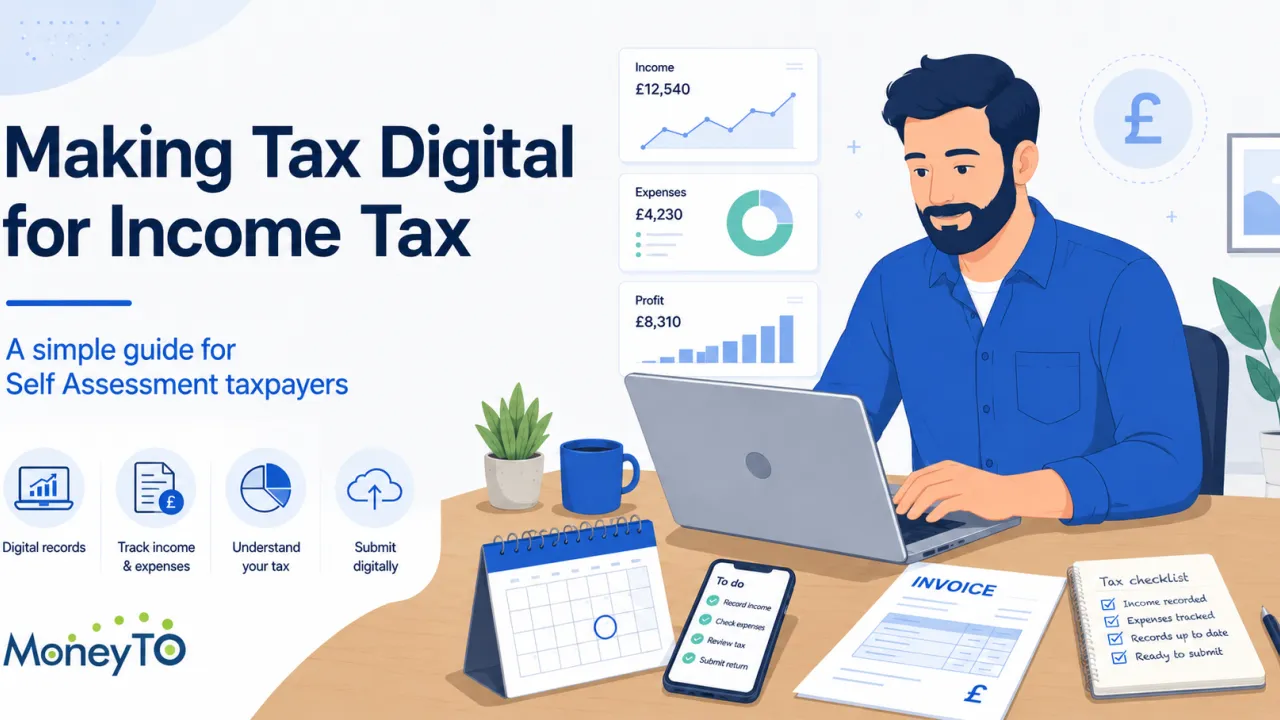
If you are self-employed, work as a sole trader, receive income from property, or complete a Self Assessment tax return in the UK, you may have already heard about Making Tax Digital for Income Tax.
The rules are changing, and for many people this will mean keeping business and property income records digitally and sending updates to HMRC more often than before.
In this article, we explain in simple words what Making Tax Digital means, who it applies to, when it starts, and what you can do now to prepare.
What is Making Tax Digital for Income Tax?
Making Tax Digital, often called MTD, is a government initiative designed to make the UK tax system more digital.
For Income Tax, it means that some self-employed people and landlords will need to:
- keep digital records of their income and expenses;
- use compatible software that works with HMRC;
- send quarterly updates to HMRC during the tax year;
- submit a final declaration at the end of the tax year.
In simple terms, instead of preparing everything only once a year for your Self Assessment, you will need to keep your records updated throughout the year.
Who will be affected?
Making Tax Digital for Income Tax will apply mainly to:
- self-employed individuals;
- sole traders;
- landlords receiving property income;
- people who currently submit a Self Assessment tax return and meet the income threshold.
The rules will be introduced gradually, depending on the level of your qualifying income.
When does Making Tax Digital start?
The current timeline is:
From 6 April 2026
You will need to use Making Tax Digital if your qualifying income is over £50,000.
From 6 April 2027
The rules will apply if your qualifying income is over £30,000.
From 6 April 2028
The rules are expected to apply if your qualifying income is over £20,000.
Qualifying income usually means your total gross income from self-employment and/or property before expenses are deducted.
For example, if you are self-employed and your income before expenses is above the relevant threshold, you may need to follow the new Making Tax Digital rules.
What does this mean for people doing Self Assessment?
Many MoneyTO customers work hard in the UK as self-employed professionals, contractors, drivers, cleaners, builders, carers, delivery workers, landlords, or small business owners.
If you complete a Self Assessment tax return, this information may be useful for you.
Under Making Tax Digital, you may need to change the way you manage your tax records. You may no longer be able to keep everything only on paper or prepare all figures at the last minute before the January deadline.
Instead, you will need to keep proper digital records during the year and send information to HMRC more regularly.
What are quarterly updates?
One of the biggest changes is the requirement to send quarterly updates.
This means you will need to send HMRC a summary of your income and expenses every three months using compatible software.
These quarterly updates are not the same as paying your full tax bill every quarter. They are designed to give HMRC a more regular picture of your income and expenses during the year.
At the end of the tax year, you will still need to finalise your tax position and confirm your complete income, expenses, allowances, and any other relevant details.
What should you do now?
Even if Making Tax Digital does not apply to you immediately, it is a good idea to prepare early.
Here are a few simple steps:
1. Check your income level
Look at your income from self-employment and/or property. If it is close to the thresholds, you may need to prepare for Making Tax Digital.
2. Keep better records
Try to keep clear records of your income and expenses throughout the year. Do not wait until the Self Assessment deadline.
3. Use a separate bank account if possible
Keeping business income and personal spending separate can make your records easier to manage.
4. Speak to an accountant or tax adviser
If you are not sure whether the rules apply to you, it is always best to ask a qualified accountant or tax adviser.
5. Choose compatible software
HMRC requires the use of software that works with Making Tax Digital. Before the rules apply to you, check which software is suitable for your situation.
Why is this important?
Tax rules can be complicated, especially for people who are busy working, supporting their families, and managing everyday life in the UK.
Making Tax Digital is important because missing deadlines or keeping poor records may create problems later. Preparing early can help you avoid stress, mistakes, and possible penalties.
For many people, good record keeping can also make Self Assessment easier and faster.
Does everyone need to use Making Tax Digital?
No. Not everyone will need to use Making Tax Digital immediately.
It depends on your income level, your type of income, and your personal circumstances. Some people may also be able to apply for an exemption in specific situations.
Because every case is different, you should always check the latest HMRC guidance or speak with a qualified professional before making decisions.
Final thoughts
Making Tax Digital for Income Tax is a major change for self-employed people and landlords in the UK.
If you currently complete a Self Assessment tax return, now is a good time to understand the rules, check whether they apply to you, and start preparing your records in a more organised way.
At MoneyTO, we understand that many of our customers work hard in the UK to support their families both here and abroad. Whether you are self-employed, running a small business, or managing your personal finances, staying informed can help you plan better and avoid unnecessary stress.
MoneyTO helps people send money safely and conveniently to family, friends, and loved ones around the world. While we do not provide tax advice, we believe that useful financial information can help our customers make better everyday decisions.
If Making Tax Digital may apply to you, please check the official HMRC guidance or speak to a qualified accountant or tax adviser.
MoneyTO — helping you stay connected with the people who matter most.